Seoul Smart Dental

At Seoul Smart Dental Clinic, the position of deep, narrow tooth nerves
and the condition of nerves that are hard to see with the naked eye
is needed in situations like these.

With 25x magnification, we diagnose precisely, even where the naked eye cannot see, and treat with care.


At Seoul Smart Dental Clinic, we use a dental microscope with up to 25x magnification to support more precise root canal treatment.
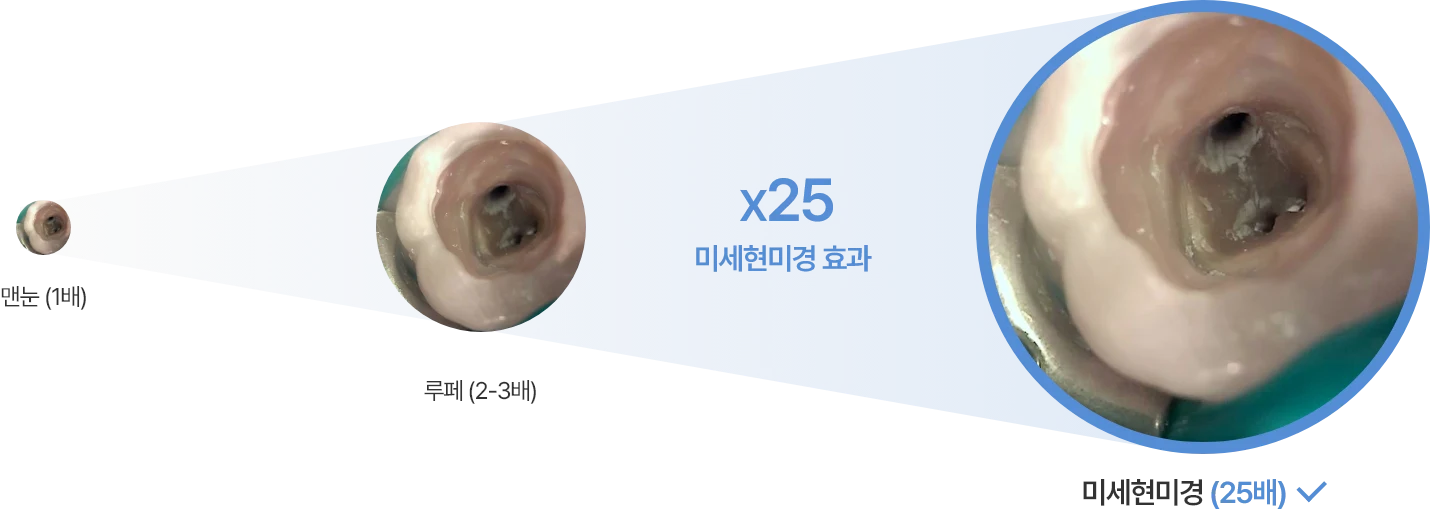
Precise diagnosis with a dental microscope lets us see accurately even where the naked eye cannot,
allowing a more precise diagnosis,
which can help prevent problems before they require more extensive treatment.
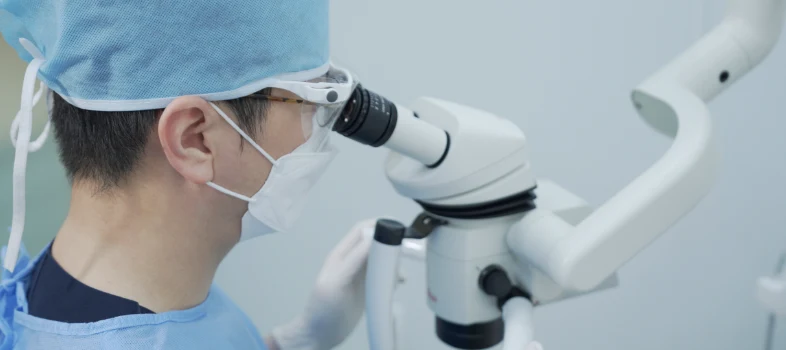
In complex root canal cases,
microcracks, canals and more must be precisely located and diagnosed before treatment.
To save natural teeth wherever possible, through precise treatment and microsurgery
we perform root canal treatment for complex cases.
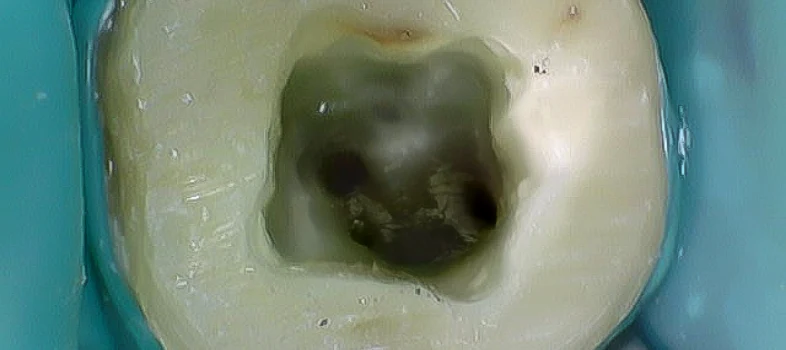
When previous root canal treatment was not done properly, or secondary problems such as recurring inflammation occur,
'root canal re-treatment'can give the tooth another chance.
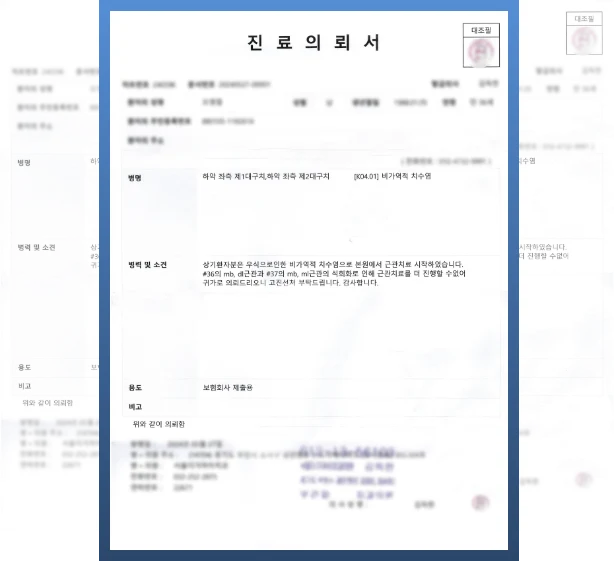
At Seoul Smart Dental Clinic, for teeth that were difficult to save elsewhere
and cases of failed root canal treatment, we have continued to see many patients who came to us with a referral letter
and provide root canal treatment for them.


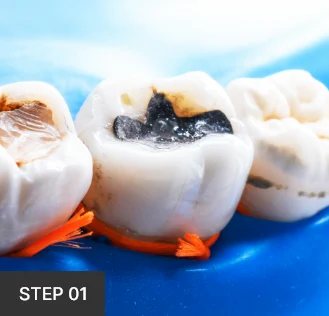
Through examination, the infected pulp
is identified.
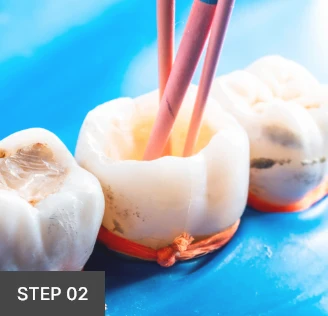
The contaminated pulp is removed,
and the canals are cleaned and disinfected.
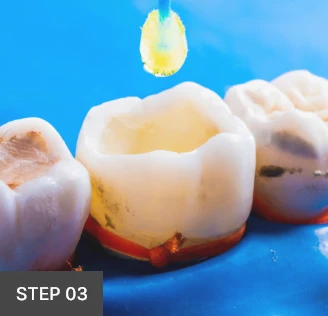
The empty root canal
is filled with biocompatible material.
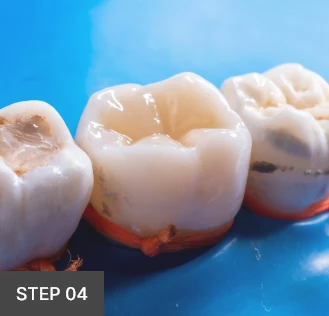
After the prosthesis is made,
it is attached to the tooth.
There is no replacement as good as a natural tooth. Once permanent teeth erupt, no new teeth grow in.
Artificial teeth such as implants can replace them, but they cannot fully match the function and feel of natural teeth,
so it is very important to keep and use your natural teeth for as long as possible.
At Seoul Smart Dental Clinic, through 'apicoectomy', which removes inflammation at the root tip to restore the tooth,
we strive to save patients' natural teeth.
We work to save precious natural teeth with established equipment and treatment methods.
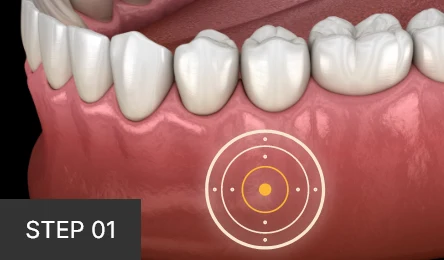
The inflamed point of the tooth root is accurately identified
using X-rays and 3D CT.
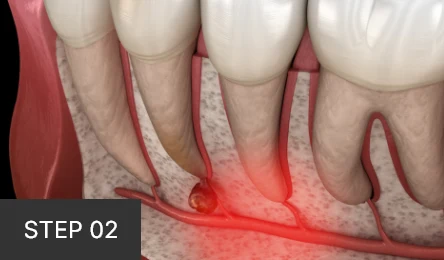
The gum is incised, and inflamed tissue around the tooth root and alveolar bone
is removed.
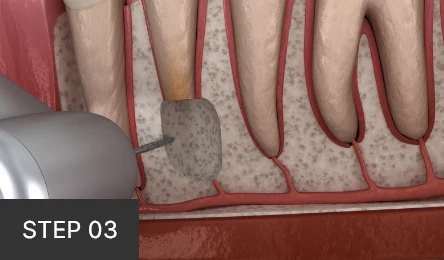
The infected tip of the tooth root is removed and disinfected.
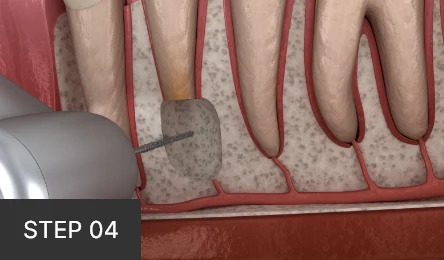
The root is filled with biocompatible dental material or MTA
to prevent bacterial infection.
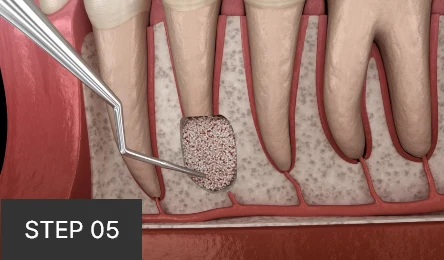
If there is not enough gum bone, additional bone graft material is added.
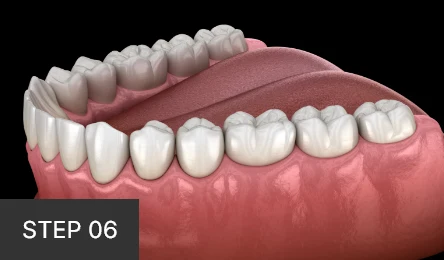
The incised gum is sutured to complete treatment.
Because the tooth is weakened, be careful
not to chew hard foods.

If there is temporary pain,
take a painkiller or antibiotic.

Keeping the tooth under treatment clean
is important. (Brush gently and rinse.)

For 2–3 weeks after treatment, chewing
may feel uncomfortable.

A treated tooth becomes vulnerable to impact,
so crown treatment is needed to protect it.

For one week after surgery, as they interfere with recovery,
please strictly avoid alcohol and smoking.


 Naver Booking
 KakaoTalk Consultation
 YouTube
 Fees for Non-Insured Treatment